Moving to the Costa Blanca from Ireland (2025)
A comprehensive guide on moving to the Costa Blanca from Ireland.
Content
Introduction
Three things I’ve learned are of the utmost importance if you want to relocate to the Costa Blanca in Spain:
1/. TRUST NOBODY
2/. DO NOT BUY A VILLA OFF-PLAN
3/. LEARN BASIC SPANISH
The Reality Behind the Dream of Moving to Spain
There is something about the promise of Spanish sunshine and a more relaxed lifestyle that can disarm even the most cautious individuals. It creates a sense of ease, a softening of judgment, where logic and due diligence can quietly slip into the background. I have witnessed this time and time again, where otherwise careful, experienced people begin to make decisions they would never consider in their home country.
The idea of the “Spanish dream” is powerful. But in that dream, there is also vulnerability, and unfortunately, that vulnerability can be exploited.
This is not a criticism of Spain; it is a reality of navigating any foreign system. However, it is important to understand that buying property in Spain requires the same level of due diligence as Ireland or the UK, if not more. Assumptions based on familiarity can lead to costly mistakes. Processes, protections, and expectations are not always aligned with what many expatriates are used to.
A Different Legal and Contractual Landscape
One of the most significant differences lies in the legal and contractual framework. Spain’s legal system operates differently from Ireland and the UK, particularly in civil matters. While criminal and regulatory laws are generally enforced efficiently, civil proceedings can be considerably slower, more complex, and at times difficult to navigate for non-nationals.
This is not unique to Spain, but it can feel unfamiliar, and at times overwhelming – especially when disputes arise.
Within the property and construction sector, as in many countries, standards and practices can vary widely between operators. Some developers and service providers operate to very high standards, while others may not. It is therefore essential to approach every engagement with independent verification, professional advice, and a clear contractual understanding.
Foreign Buyers and the Knowledge Gap
There can also be a perception among some foreign buyers that they are operating at a disadvantage—and in certain situations, that perception is not without foundation. When entering a new country, the combination of language barriers, unfamiliar legal frameworks, and cultural differences can place non-nationals in a more vulnerable position.
In these circumstances, some purchasers may feel less confident in challenging decisions, questioning processes, or asserting their rights. This is not due to a lack of capability, but rather a lack of familiarity with how the system operates.
As in any market, the vast majority of professionals act with integrity. However, there are instances where this imbalance of knowledge can be taken advantage of. In particular, delays, procedural complexity, or prolonged communication gaps can create a sense of fatigue for buyers—especially those navigating the system from abroad.
Over time, this can lead to a situation where individuals feel worn down by the process, uncertain of their position, and more inclined to accept outcomes simply to bring matters to a close.
This is why it is essential for anyone considering buying property in Spain to approach the process with a clear understanding of their rights, supported by independent, qualified professionals, and a willingness to question and verify each step along the way.
Professional Titles and Advice – A Word of Caution
Another important distinction is the perception of professional roles. In Ireland and the UK, titles such as lawyer, solicitor, or accountant are strictly regulated and protected. Individuals must be formally qualified, registered, and accountable to governing bodies.
In Spain, while there are many highly qualified and reputable professionals, the structure and enforcement of professional titles can differ. As a result, it is possible to encounter individuals offering services or advice without the same level of recognised qualification or oversight that one might expect at home.
This makes independent verification absolutely essential. Engaging properly registered, experienced professionals—ideally with a proven track record working with international clients—is not optional. It is critical.
When Expectation Meets Reality
Like many people, when we made the decision to move to Spain, we did so with optimism. Legal disputes were not something we anticipated. We certainly did not expect to become involved in a civil process.
However, experience has a way of reshaping expectations.
Through our own journey, we found ourselves navigating challenges that required legal support, patience, and resilience—within a system that operates at a very different pace to what we were accustomed to.
This is not about fear. It is about awareness. Because the reality is simple:
Moving to Spain can be an incredible life decision, but only when approached with clarity, preparation, and a full understanding of the environment you are stepping into Spain.
Where is the Costa Blanca?
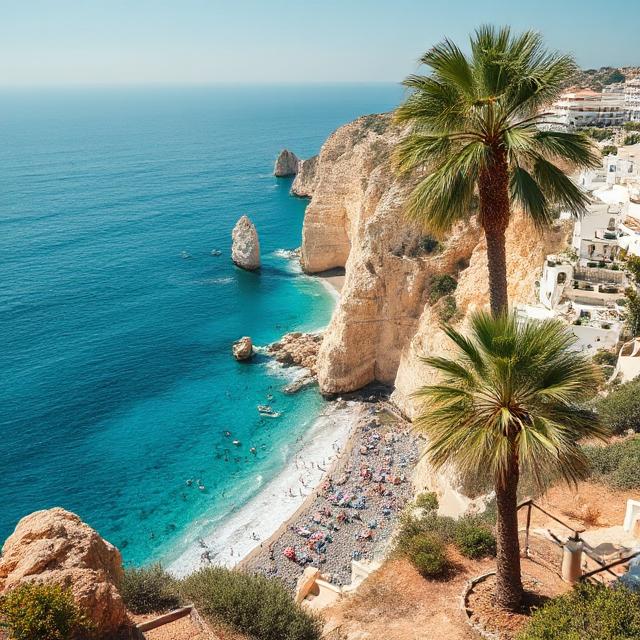
The Costa Blanca – Location, Lifestyle and Reality
The Costa Blanca (Spanish for “White Coast”) is one of Spain’s most recognised and sought-after coastal regions, known for its stunning beaches, vibrant towns, and year-round Mediterranean sunshine. For many considering moving to Spain or buying property on the Costa Blanca, it represents the ideal balance between lifestyle, climate, and accessibility.
Located along Spain’s southeastern coastline, the Costa Blanca sits within the Valencian Community and stretches for approximately 200 kilometres (124 miles). The region runs from Dénia in the north to Pilar de la Horadada in the south, offering a diverse mix of landscapes—from rugged cliffs and hidden coves to long sandy beaches and fully serviced resort towns.
Along this coastline are some of Spain’s most well-known destinations:
- Alicante – The region’s largest city and main transport hub, home to an international airport connecting the Costa Blanca to the UK, Ireland, and across Europe.
- Benidorm – Famous for its skyline, nightlife, and family-friendly beaches, offering a high-energy resort environment.
- Torrevieja – Known for its salt lakes, health benefits, and large international community, particularly popular with expatriates.
- Calpe – Dominated by the iconic Peñón de Ifach, a natural landmark that defines the town’s coastline.
- Jávea (Xàbia) – A more traditional and picturesque coastal town, known for its crystal-clear waters and relaxed atmosphere.
One of the Costa Blanca’s strongest appeals is its Mediterranean climate, with over 300 days of sunshine per year, mild winters, and warm summers. This climate has long made it a magnet for both tourism and relocation, particularly for those seeking a healthier, outdoor lifestyle.
On the surface, the Costa Blanca offers everything one might expect from the Spanish dream—natural beauty, modern infrastructure, international connectivity, and a slower pace of life.
And in many ways, it delivers.
However, as with any destination, especially one attracting high levels of international interest, it is important to look beyond the surface. While the region offers significant opportunity, it also requires careful navigation when it comes to property, legal processes, and local systems—something many new arrivals only fully understand once they are already committed.
The Costa Blanca is, without question, an exceptional place to live.
But like any major life decision, particularly one involving relocation or property investment, it should be approached with both enthusiasm and informed awareness.
Which is the best area to move to in Costa Blanca?
For many people considering moving from Ireland to the Costa Blanca, the question is simple: Where is the best place to live?
The reality is, there is no single “best” location. The Costa Blanca offers a wide range of towns and lifestyles, each with its own character, pace, and community. What suits one person may not suit another. However, based on real-life experience of living in the region, some areas consistently stand out for their balance of lifestyle, affordability, accessibility, and community.
While larger destinations such as Alicante and Benidorm attract high volumes of tourism, many expatriates and long-term residents find that the best places to live on the Costa Blanca are often just outside these major centres—where you can enjoy a more authentic lifestyle without losing access to essential services.
Top Areas to Live on the Costa Blanca
Ciudad Quesada – Lifestyle, Golf, and International Community
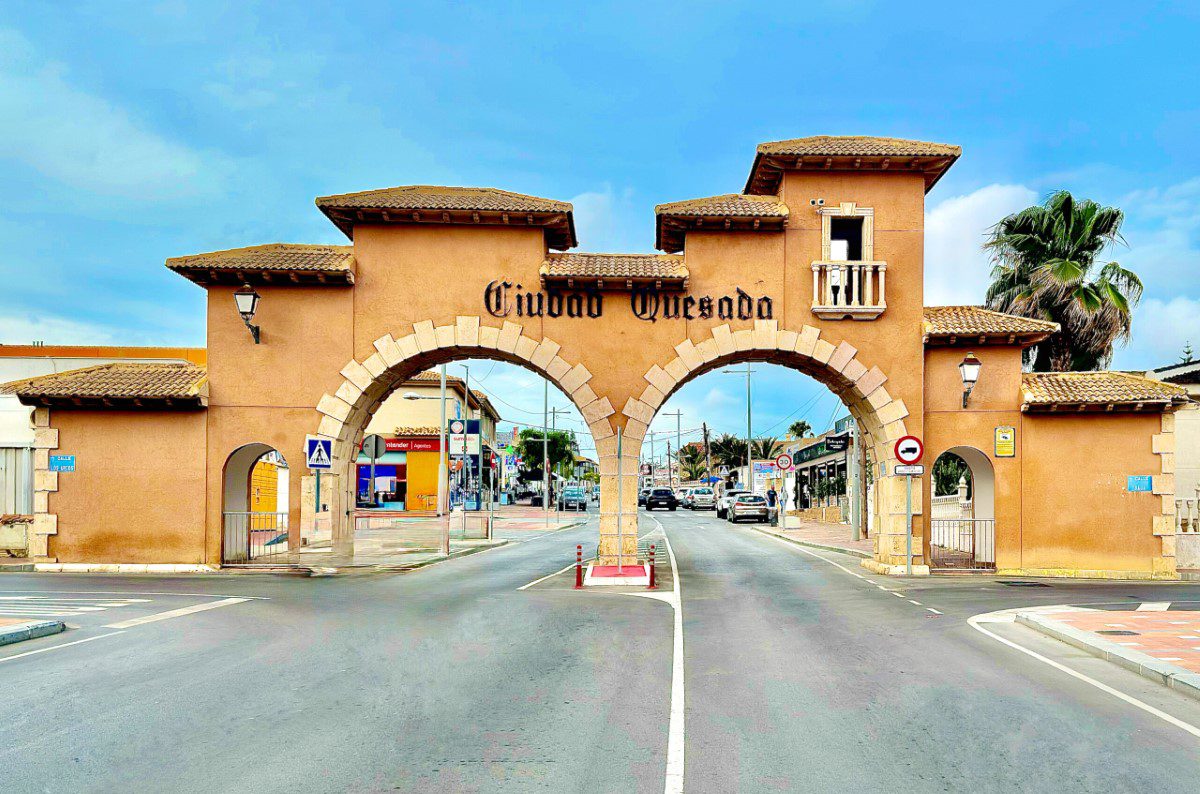
Often considered one of the most established expat areas, Ciudad Quesada offers a well-developed infrastructure with restaurants, shops, golf courses, and healthcare facilities. It is particularly popular with Irish and UK residents, making integration easier for those relocating. The area provides a balance between comfort, convenience, and community living.
Rojales – Traditional Spain with a Local Feel
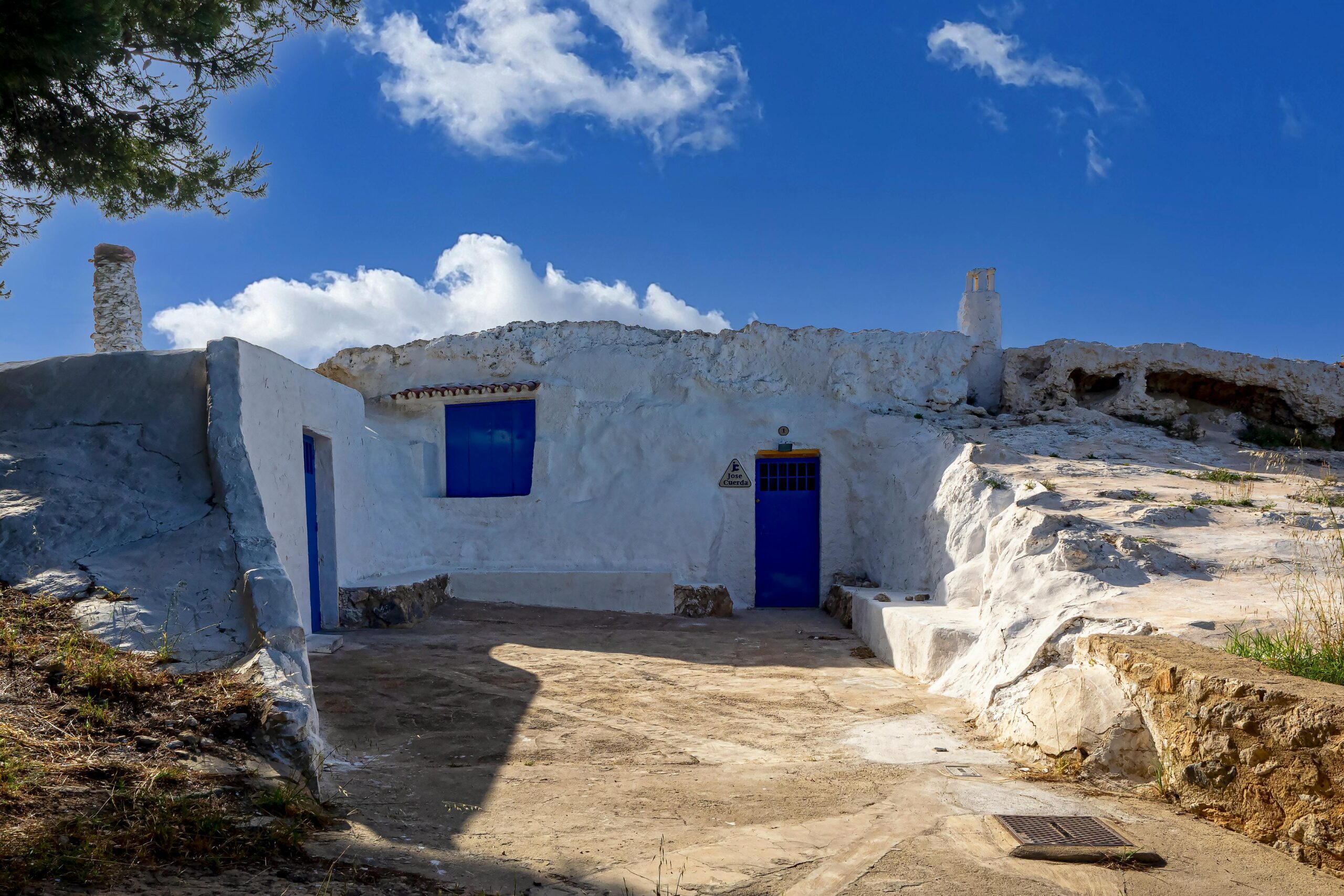
Located beside Ciudad Quesada, Rojales offers a more authentic Spanish town environment while still benefiting from proximity to expat services. It has a strong sense of local culture, established amenities, and is ideal for those who want to experience Spanish life without being isolated.
Benijófar – A Growing Hidden Gem
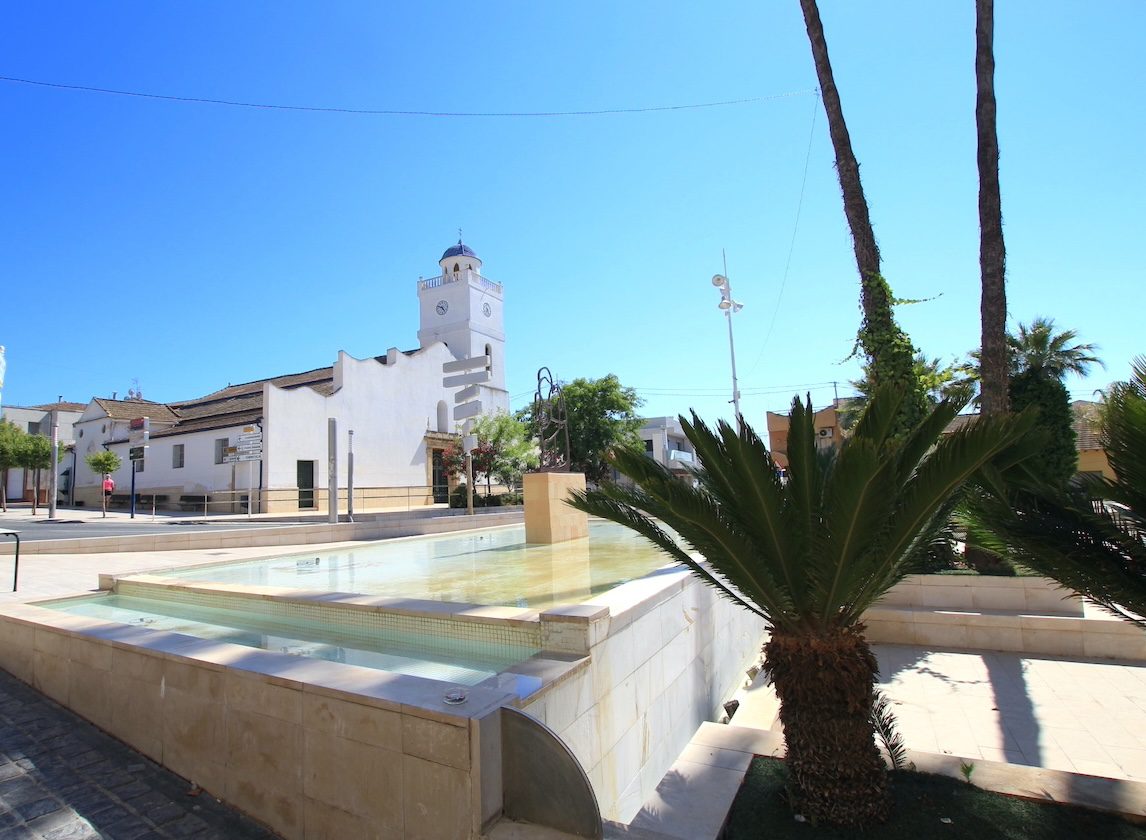
Benijófar has grown steadily in popularity in recent years. It combines modern development with a village atmosphere, offering good value property and a relaxed pace of life. It is well positioned for access to beaches, golf, and nearby towns, making it attractive for both permanent living and investment.
Torrevieja – The Expat Hub
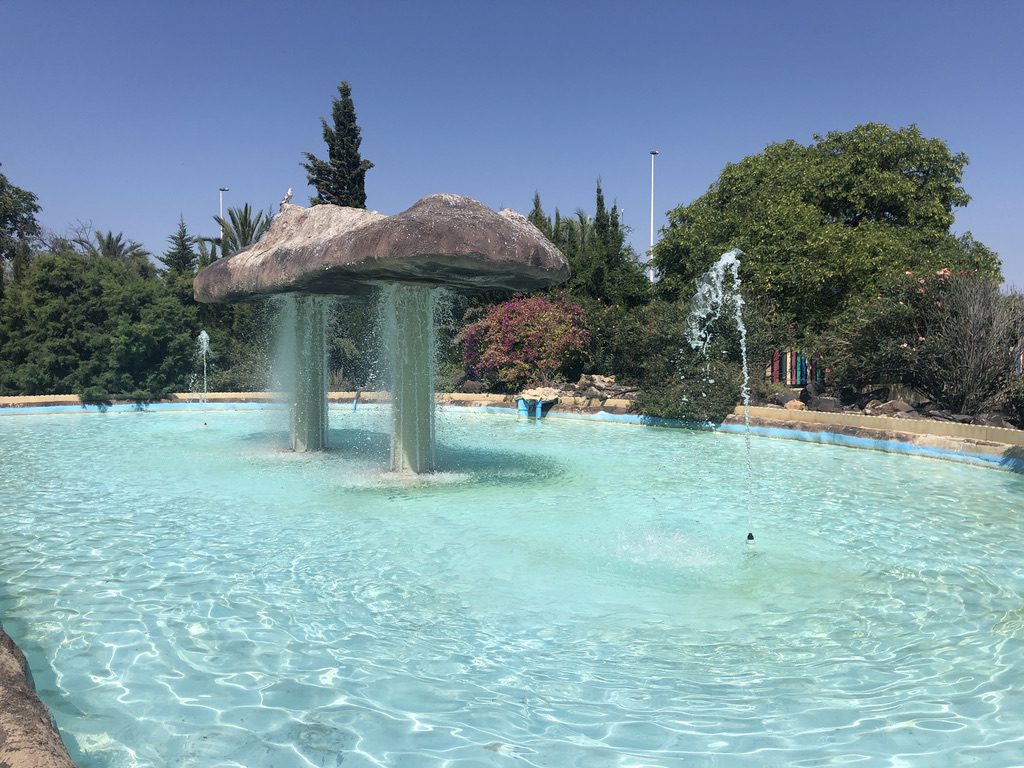
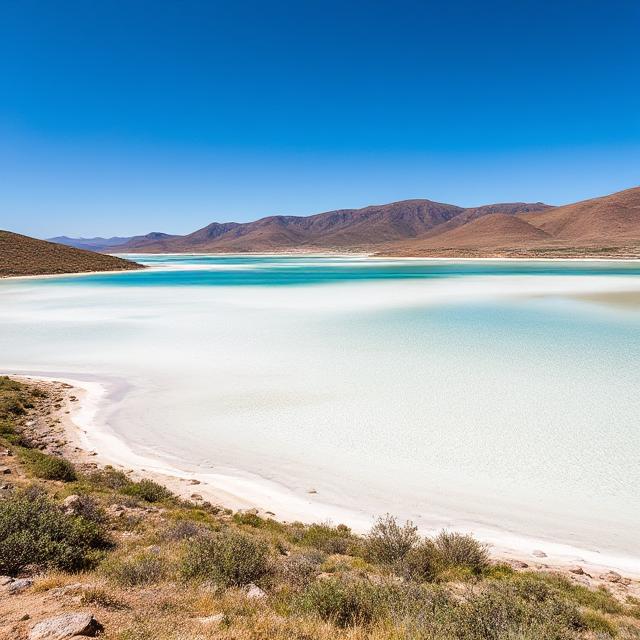
Torrevieja is one of the most well-known towns on the Costa Blanca, with a large international population. It offers extensive amenities, healthcare, shopping, and nightlife, along with access to beaches and the famous salt lakes. While busier than surrounding towns, it appeals to those who prefer a more active and connected environment.
Catral – Affordable Inland Living
For those seeking space, value, and quieter surroundings, Catral offers larger properties at more accessible prices compared to coastal areas. Located just a short drive from the coast, it is ideal for buyers looking for privacy and affordability while still maintaining access to key amenities.
Torremendo – Scenic and Rustic
Torremendo offers a completely different pace of life. Overlooking a large reservoir, it is known for its natural beauty, open landscapes, and peaceful environment. This area suits those looking for a more rural lifestyle, away from the busier coastal towns.
San Miguel de Salinas – Tradition Meets Convenience
San Miguel de Salinas strikes a strong balance between traditional Spanish charm and modern living. It has a well-established town centre, excellent restaurants, and is located close to golf courses and the coast. It remains one of the most well-rounded areas for long-term living.
Choosing the Right Area – More Than Just Location – What Really Matters
While each of these areas offers something unique, choosing where to live on the Costa Blanca should never be based on location alone. Many people make decisions based purely on views, proximity to the sea, or price—but long-term success in Spain depends on a broader understanding of what daily life actually looks like.
Key factors that should always be carefully evaluated include:
• Access to healthcare – both public and private options
• Legal and property considerations – ownership structure, contracts, and compliance
• Infrastructure and services – transport, shops, schools, and connectivity
• Long-term suitability – not just for today, but for the years ahead
The Costa Blanca offers an exceptional lifestyle—but the real key is finding an area that aligns with your needs, your expectations, and your level of preparation.
Ciudad Quesada – A Balanced Lifestyle Choice
Ciudad Quesada stands out as one of the most balanced locations on the Costa Blanca. While not a traditional Spanish town in origin, it has evolved into a well-established residential area with a strong international community.
It offers a relaxed lifestyle, excellent amenities, and easy access to golf courses such as La Marquesa, as well as nearby resorts like Campoamor and Las Colinas. With a growing mix of cultures, good restaurants, and a friendly atmosphere, Quesada provides a comfortable transition for those relocating from Ireland or the UK.
Importantly, it often represents better value than frontline coastal locations, while still being only a short drive from the beaches of Guardamar.
Moving to the Costa Blanca from Ireland – Which Area is Best for You?
Choosing the right area ultimately comes down to lifestyle preference:
• Want a busy expat hub? → Torrevieja
• Prefer quieter living with a strong community? → Ciudad Quesada
• Looking for the most affordable property options? → Catral or Benijófar
• Love nature, space, and quiet surroundings? → Torremendo
• Seeking a more traditional Spanish lifestyle? → San Miguel de Salinas
These locations offer a strong combination of affordability, lifestyle, and expat support, making them some of the most practical choices for long-term living on the Costa Blanca.
While high-profile destinations such as Benidorm or central Alicante have their advantages, many long-term residents find that these lesser-known areas provide a better overall quality of life.
Property Prices on the Costa Blanca (2024 Guide)
Property prices can vary significantly depending on location, condition, and proximity to the coast. Below is a general guide to average prices across key areas:
Area 2-Bed Apt 3-Bed Town H 3-Bed Villa (Pool)
Torrevieja €120k– €180k €150k – €220k €250k – €400k
Ciudad Quesada €90k– €140k €130k – €190k €200k – €750k
Benijófar €80k – €120k €110k – €160k €180k – €300k
Catral €60k – €100k €90k – €140k €150k – €250k
Torremendo €100k – €160k €160k – €280k
San Miguel de Salinas €85k – €130k €120k – €170k €190k – €320k
Prices are indicative and vary based on market conditions, build quality, and location.
Final Thought
The Costa Blanca is not just a destination—it is a decision.
It offers sunshine, lifestyle, and opportunity. But choosing the right area requires more than following the crowd or chasing a view. It requires clarity, research, and an honest understanding of what life here truly involves.
Get that right—and the Costa Blanca can deliver everything it promises.
Pros & Cons Breakdown
Ciudad Quesada
👍 Pros:
Perfect expat/Spanish balance – Excellent golf facilities – Well-maintained urbanización – Close to Guardamar beaches, 8 minutes drive.
👎 Cons:
Property is a little more expensive.
Rojales
👍 Pros:
Affordable and close to the coast – Authentic Spanish atmosphere – Walking distance to amenities – Friendly local community
👎 Cons:
Limited nightlife – Fewer property choices – Older infrastructure in parts
Benijófar
👍 Pros:
Most affordable coastal option – Great Mediterranean atmosphere – Walking distance to amenities – Lovely Bars and Restaurants
👎 Cons:
Need a car for errands
Torrevieja
👍 Pros:
Best healthcare facilities – Vibrant year-round community – Everything is within walking distance – Excellent public transport links
👎 Cons:
Can feel crowded in summer – Higher property prices near the sea – Some areas feel “very British”
Catral
👍 Pros:
Lowest property prices – Authentic Spanish living – Great local markets – Quick access to the coast
👎 Cons:
20+ mins to beaches – Fewer English speakers – Limited expat facilities
Torremendo
👍 Pros:
Stunning natural setting – Large plot options – Peaceful environment – Unique property choices
👎 Cons:
Minimal amenities – Need Spanish language skills – Remote feeling
San Miguel
👍 Pros:
Genuine Spanish culture – Good mix of nationalities – Excellent local cuisine – Central location
👎 Cons:
Fewer ready-made expat groups – Need a car for everything – Older property stock
Transportation & Accessibility
Best connected: Torrevieja (regular buses, tram to Alicante)
Most car-dependent: Torremendo and Catral
Nearest airports: Alicante (all areas 30-50 mins) except Torremendo (60 mins)
Best walkability: Torrevieja and Benijófar centre
Moving from the Costa Banca from Ireland
Healthcare Access
Best served: Torrevieja (public hospital + private clinics)
Adequate: Quesada, San Miguel (health centres + quick hospital access)
Most limited: Torremendo (must travel for major care)
Shopping & Amenities
Best selection: La Zenia or Habaneras
Torrevieja has a mix of shops, stores and supermarkets. With many outdoor markets, one of the largest in the area is held on Fridays.
Catral is more authentically Spanish, with a weekly street market and local butchers.
Quesada has several supermarkets, including Tesco, Lidl, Consum, Mercadona, Masymas, Pepco and Rossman.
Climate Differences
All areas enjoy 300+ sunny days, but:
Coastal (Torrevieja/Benijófar): More breeze, slightly cooler summers
Inland (Catral/San Miguel): Hotter summers, cooler winters
Lake area (Torremendo): Higher humidity near the water
Best for Different Lifestyles
Retirees: Quesada or Torrevieja
Families: Torrevieja or San Miguel
Budget-conscious: Catral or Benijófar
Nature lovers: Torremendo
Golfers: Quesada or San Miguel
Culture seekers: San Miguel or Catral
Personal Tips
1. Rent for 6 months before buying in any area
2. July/August can be unbearably hot inland
3. Check flood maps for low-lying areas
4. Visit in winter to see the “real” community
5. Learn basic Spanish – it transforms your experience
The Legalities of Moving to Costa Blanca from Ireland
Moving to Spain’s Costa Blanca from Ireland is an exciting adventure, but it’s essential to understand the legal requirements to ensure a smooth transition. This guide covers residency rules, healthcare, taxes, driving licences, and more for Irish citizens relocating to this sunny region.

Residency Requirements for Irish Citizens
As an EU citizen, you have the right to live in Spain but must follow specific procedures after three months.
Short Stays (Under 3 Months)
No formalities required – just your Irish passport or ID card.
Long-Term Stays (Over 3 Months)
You must register as a resident if staying longer than 90 days in 180 days.
Obtain an NIE (Número de Identificación de Extranjero)
What is it?
A tax & legal ID number is needed for buying property, working, banking, and more.
How to get it?
Apply at the Spanish consulate in Dublin (before moving) or at the Extranjería office (Oficina de Extranjería) or police station in Spain.
Documents needed:
Passport copy
Completed EX-15 form
Proof of reason (e.g., job offer, property purchase, sufficient funds)
Register as a Resident (Certificado de Registro de Ciudadano de la UE)
Where?
At the Oficina de Extranjería or local police station.
Documents needed:
Passport
Proof of address (rental contract or property deed)
Proof of income/health insurance (for non-workers)
Permanent Residency (After 5 Years)
After 5 years of legal residency, you can apply for permanent residency (Tarjeta de Residencia de Larga Duración).
Healthcare in Spain for Irish Citizens
Accessing Public Healthcare
You’ll pay into social security (Seguridad Social) and get free healthcare if employed in Spain.
If you are retired or unemployed, you may qualify under the EU’s S1 scheme (if you receive an Irish state pension).
Private health insurance is recommended for faster access to specialists.
European Health Insurance Card (EHIC/GHIC)
Still valid for temporary stays, but not a substitute for residency-based healthcare.
Taxes for Irish Expats in Spain
Residency & Tax Obligations
If you spend more than 183 days per year in Spain, you become a tax resident and must declare worldwide income.
Key taxes
Income Tax (IRPF) – Progressive rates (19%-47%) Wealth Tax (Impuesto sobre el Patrimonio) – If assets exceed €700,000. Capital Gains Tax – 19%-26% on property sales
Double Taxation Agreement (Ireland-Spain)
Prevents being taxed twice on the same income.
Driving in Spain as an Irish Citizen
Using an Irish Licence – Valid for 6 months after becoming a resident. After that, you must exchange it for a Spanish licence.
Exchanging Your Licence – Submit an application at the DGT (Traffic Department). Documents needed: Irish driving licence. NIE. Medical certificate (from an authorised centre). Proof of residency
Buying & Registering a Car
Must register an imported car within 30 days.
IVA (VAT) and road tax (Impuesto de Circulación) apply.
Buying vs. Renting Property
Buying a Home
NIE required for purchase.
Notary & property registration fees: 10- 15% of purchase price, depending on whether new or second-hand.
Annual taxes:
IBI (Council Tax) – 0.4%-1.1% of cadastral value
Non-Resident Tax (if applicable) – 19%-24% on rental income
Renting a Home
Short-term lets (holiday rentals) will require a tourist licence.
Long-term contracts typically last 1-5 years.
Bringing Pets from Ireland to Spain
EU Pet Passport required.
Rabies vaccination must be up to date.
Microchip is mandatory.
Brexit Considerations (If You Have UK Ties)
If you hold dual Irish-UK citizenship, ensure you use your Irish passport for EU rights.
Employment on the Costa Blanca: A Guide for Job Seekers
When you move from the Costa Blanca to Ireland, it is not just a paradise for retirees, it also offers job opportunities for those looking to work under the Spanish sun. Whether you’re an EU citizen or a non-EU expat, this guide covers:
Popular job sectors – Work visa requirements – How to find work – Self-employment & freelancing – Average salaries & working culture
The Costa Blanca’s economy is driven by tourism, hospitality, real estate, and services, but other sectors are growing too.
Top Industries Hiring Expats
Sector | Types of Jobs | Notes |
Tourism & Hospitality | Hotel staff, chefs, tour guides, reps | Seasonal (Apr-Oct), but some year-round roles |
Real Estate | Agents, admin, marketing | Must speak English + Spanish
Teaching English | Schools, academies, private tutoring | TEFL cert often required |
Healthcare | Nurses, carers, physio | Demand in private clinics/elderly care |
Construction & Trade | Plumbers, electricians, builders | Must validate qualifications |
Digital Nomads | Remote work, freelancing | Popular in coworking spaces |
Can You Work Legally?
EU Citizens
No visa needed – You can work freely (but must register as a resident after 3 months).
Non-EU Citizens
You’ll need a work visa. Options include:
Work Permit (Autorización de Trabajo) – Employer must sponsor you
Self-Employment Visa (Autónomo) – For freelancers/business owners
Digital Nomad Visa – For remote workers (min. €2,400/month income)
How to Find a Job in Costa Blanca
Where to Look:
InfoJobs (https://www.infojobs.net/) (Spain’s biggest job site)
Indeed, Spain (https://www.indeed.es/)
LinkedIn (https://www.linkedin.com/) (Set location to Alicante)
Local Facebook Groups: Jobs in Costa Blanca – Expats in Torrevieja
Recruitment Agencies: Adecco, Randstad (for corporate roles)
Personal Tips
Learn basic Spanish – Even A2 level helps massively
Network with expats – Many jobs come via word-of-mouth
Consider seasonal work to get your foot in the door
Self-Employment & Freelancing
Many expats work as autónomos (freelancers).
Popular fields – Real estate consulting – Tourism services (tours, rentals) – Online businesses (remote work, teaching, marketing)
Autónomo Requirements
Register with Hacienda (tax office) and Social Security
Pay monthly fees (€50-€300, depending on income)
File quarterly taxes – Use a gestor (accountant) to handle paperwork.
Salaries & Working Culture
Average Monthly Salaries (Before Tax)
Job | Salary Range |
Waiter/Hotel Staff | €1,000 – €1,500 |
Real Estate Agent | €1,200 – €2,500 (+ commission) |
English Teacher. | €1,000 – €2,000 |
Skilled Trades | €1,500 – €2,500 |
Healthcare Worker | €1,500 – €3,000 |
Spanish Work Culture
Long lunch breaks (2-3 hours in some jobs)
Later working hours (e.g., shops open until 8-9pm)
More relaxed pace than Northern Europe
Is It Easy to Get a Job?
Tourism & hospitality jobs are easiest to land (especially with languages).
Skilled roles (IT, healthcare) may require Spanish fluency.
Freelancing/remote work is growing fast.
Healthcare on the Costa Blanca
Moving to Spain’s sunny coast? The Costa Blanca offers excellent healthcare, but navigating the system can be tricky.
This guide explains:
Public vs. private healthcare
How to access doctors & hospitals
Costs, insurance, and prescriptions
Special tips for retirees & families
How Healthcare Works in Spain
Spain has world-class healthcare and is ranked among Europe’s best. The system has two parts:
Public Healthcare (Sistema Nacional de Salud – SNS)
Free or low-cost for legal residents
Funded by social security contributions (or EU/S1 scheme for pensioners)
Covers: Doctors, hospitals, emergencies, maternity care
Private Healthcare
Faster access to specialists
English-speaking doctors are more common
Paid via insurance (€50-€200/month)

Who Qualifies for Public Healthcare?
Your Situation | How to Access Public Healthcare |
EU citizens working in Spain. | Automatic via social security (Seguridad Social) |
EU retirees (state pensioners) | Register S1 form at INSS office |
Self-employed (autónomos) | Pay into social security (€200-€300/month) |
Non-EU residents with a work visa | Pay into social security via employer |
Non-working EU citizens. | Must have private insurance (unless covered by S1) |
How to Register for Healthcare
Get Your Social Security Number (Número de la Seguridad Social)
Apply at a Tesorería de la Seguridad Social office
Documents needed: Passport, NIE, employment contract (if working)
Register at Your Local Health Centre (Centro de Salud)
Take your social security number + empadronamiento (town hall registration)
You’ll be assigned a GP (médico de cabecera)
Get Your Health Card (Tarjeta Sanitaria)
This gives access to free doctor visits, prescriptions, and hospitals.
Key Medical Facilities on the Costa Blanca
Public Hospitals
Best for South Costa Blanca – Universitario Torrevieja
Largest in the region – General Universitario de Alicante
Hospital Vega Baja (Orihuela)
Private Hospitals & Clinics**
Hospital Quirónsalud Torrevieja (English-speaking staff)
Vithas Hospital (Benidorm & Alicante)
Medimar International Hospital (Alicante)
Costs & Insurance Options
Public Healthcare Costs
GP visits: Free
Emergency care: Free
Prescriptions: Subsidised (typically €5-€50)
Private Health Insurance
Provider | Cost (Monthly) | Best For |
Sanitas | €60-€150 | Expats wanting English support |
Adeslas | €50-€130. | Comprehensive coverage |
DKV | €70-€200. | Luxury/premium care |
Pharmacies & Prescriptions
Farmacias (green cross sign) are everywhere
Prescription meds are cheaper than in Ireland
Common drugs (e.g., antibiotics) often require a script
Personal Tips
Bring medical records (translated to Spanish)
Retirees Register your S1 form ASAP
Families: Kids get free paediatric care
Dental care is mostly private (get insurance)
Important contacts on the Costa Blanca
Moving to the Costa Blanca from Ireland – Save these key phone numbers, websites, and emergency contacts to navigate life in Spain with ease.
Emergency Services
Service. | Contact | Notes |
General Emergency | 112 | Works across Spain (English-speaking operators) |
National Police | 091. | For serious crimes |
Local Police (Guardia Civil) | 062 | Traffic, local issues |
Medical Emergency. | 061 | Ambulance/medical help |
Fire Brigade | 080 | Bomberos |
Healthcare Contacts
Public Hospitals
Hospital Universitario Torrevieja
📞 +34 966 92 62 00 | 📍 Partida de la Loma, s/n, Torrevieja
Hospital General Universitario de Alicante
📞 +34 965 93 83 00 | 📍 Maestro Alonso 109, Alicante
Hospital Vega Baja (Orihuela)
📞 +34 966 74 66 00 | 📍 Ctra. Orihuela-Almoradi, s/n
Private Hospitals (English-Friendly)
Hospital Quirónsalud Torrevieja
📞 +34 966 92 90 00 | 📍 Calle Caballero de Rodas 12
Vithas Hospital (Benidorm)
📞 +34 902 10 65 00 | 📍 Av. Alfonso Puchades 8
Government & Residency Help
Service | Contact | Notes |
National Police (NIE/Residency) | [Appointment Link](https://www.policia.es/) | Book online for NIE/TIE | Extranjería (Alicante Immigration Office) | 📞 +34 915 61 74 96 For residency issues |
Town Hall (Ayuntamiento) | Check local website For padrón (empadronamiento) |
Social Security Office (Seguridad Social) | 📞 +34 901 50 20 50 Healthcare registration |
Essential Services
Service | Contact |
Electricity (Iberdrola) | 📞 900 225 235 |
Water (Agamsa – Torrevieja) | 📞 +34 966 70 34 00 |
Gas (Repsol/Butano delivery) | 📞 900 100 180 |
Local Taxi Services | 📱 Uber/Cabify or local firms (e.g., Teletaxi Torrevieja 📞 966 71 11 11) |
English-Speaking Help
Lawyers & Gestorías
Javaloyes & Suarez Lawyers (Legal & Tax Advice)
info@javaloyes-suarez.com; mari@javaloyes-suarez.com
Embassies & Consulates
Irish Honorary Consulate (Alicante)
📞 +34 636 43 87 33 | 📍 Av. de Elche 20, Alicante
Transport & Travel
Alicante Airport (ALC)
📞 +34 913 21 10 00 | [Website](https://www.aena.es/)
ALSA Buses (Long-distance)
📞 +34 902 42 22 42 | [Timetables](https://www.alsa.com/)
TRAM Costa Blanca (Alicante-Denia)
📞 +34 900 72 04 72 | [Routes](https://www.tramalicante.es/)
Moving to the Costa Blanca from Ireland.